Pool losing water? How to tell if it is a plumbing leak
@waterlineweekly
November 25, 2026 · 6 min read
Water loss in a pool can be hard to pin down
Every pool loses some water to evaporation, especially in hot or windy weather. A pool owner might notice the water level dropping and wonder if it is normal or something more serious. The difference matters because a plumbing leak wastes water, can damage the pool structure, and often gets worse over time. Knowing what to look for helps you decide whether you need professional help.
Evaporation is the most common reason for water loss, and it happens constantly. The rate depends on temperature, humidity, wind, and even the water chemistry. In summer, a pool can lose a quarter-inch or more per day just from evaporation. That is normal. But when the loss is faster than weather can explain, or when it does not slow down during cooler, calm periods, plumbing may be the cause.
Signs that point to a plumbing leak rather than evaporation
1. The water level keeps dropping below the skimmer
Evaporation affects the entire surface equally. If the pool is losing water, the level will drop everywhere at the same rate. But a plumbing leak often pulls water from a specific area. A common sign is that the water level falls below the skimmer opening and then keeps going. The skimmer is the rectangular opening in the side of the pool where water flows into the filter system. Once the water drops below that opening, the pump can start pulling air, and the leak can accelerate. If your pool consistently loses water past the skimmer, evaporation alone is unlikely to be the cause.
2. Water appears around the equipment or in the yard
Puddles near the pump, filter, heater, or any of the above-ground plumbing are a clear sign of a leak. Sometimes the ground near the pool stays soggy even when it has not rained. If you see wet spots, soft ground, or patches of lush grass near the plumbing lines, water is escaping somewhere. Evaporation does not leave puddles.
3. The water bill jumps unexpectedly
A sudden increase in your water bill, especially during a season when you are not filling the pool often, can signal a leak. Evaporation does not show up on your bill because the water is already in the pool. But a plumbing leak sends water into the ground, and you pay for that water twice: once to fill the pool and again when the utility bill arrives. If your bill is noticeably higher than usual and you have not been adding much water, it is worth investigating.

4. Air bubbles in the pump basket or return jets
When a plumbing line develops a crack or a loose fitting, the pump can suck air into the system. You might see small bubbles in the pump basket or coming out of the return jets in the pool. Evaporation does not cause air in the plumbing. Bubbles mean the system is drawing air from somewhere, and that somewhere is often a leak on the suction side of the pump.
5. Cracks or settling around the pool shell
Water escaping from a leak can wash away soil underneath the pool or the surrounding deck. Over time, this can cause the ground to settle, creating cracks in the deck, gaps between the pool shell and the coping, or even small dips in the yard near the pool. Evaporation does not move soil. If you notice new cracks or uneven surfaces around the pool, a plumbing leak may be the underlying cause.
How to tell if it is a leak and not evaporation
A simple bucket test can give you a good answer. Fill a bucket with pool water until it is about the same level as the pool. Place the bucket on the first step of the pool or on a flat surface in the water, with the bucket weighted down so it does not float. Mark the water level inside the bucket and the water level in the pool on the side of the bucket. After 24 hours, compare the two levels. If the pool lost more water than the bucket, evaporation alone is not the whole story. The difference suggests a leak somewhere in the pool or its plumbing.
Another check is to turn off the pump and see if the water loss changes. If the pool loses water faster when the pump is running, the leak is likely on the pressure side of the plumbing. If it loses water at the same rate whether the pump is on or off, the leak could be in the pool shell or in the suction-side plumbing. This kind of observation helps narrow down where the problem is.
What to do when you suspect a plumbing leak
A plumbing leak is not something you can fix with a patch or a sealant from a hardware store. The plumbing lines are buried underground, and the fittings are under pressure. A temporary fix often fails, and the leak can return worse than before. The right approach is to have the system inspected by someone who knows how to find leaks without digging up the entire yard.

Professional leak detection uses specialized equipment: listening devices that pick up the sound of water escaping, pressure testing to isolate sections of pipe, and sometimes dye testing to trace the path of the leak. These methods are precise and avoid unnecessary excavation. For pool owners in San Diego, Swim Care Pool Services provides specialized leak detection for residential and commercial swimming pools, spas, and related plumbing. They can identify the exact location of a leak and give you a clear picture of what needs to be repaired.
Ignoring a plumbing leak can lead to bigger problems. Water that seeps into the ground can undermine the pool structure, damage landscaping, and create a breeding ground for mosquitoes. The longer a leak goes unnoticed, the more water you lose and the higher your bill climbs. If you see any of the signs described above, it is worth having the system checked.
When to call a professional
If you have done the bucket test and the results point to a leak, or if you see any of the signs like puddles, air bubbles, or cracks, the next step is to contact a leak detection specialist. A professional can test the plumbing lines without cutting into the ground. They use equipment that pinpoints the leak within inches, which saves time and avoids unnecessary damage to your yard.
Many pool owners put off calling someone because they hope the problem will go away. But a plumbing leak rarely stops on its own. The water loss might slow down during cooler months, but the leak is still there. When summer comes and the pump runs more, the leak will return, often worse than before. Early detection is the best way to keep repair costs down and prevent damage to the pool and surrounding property.
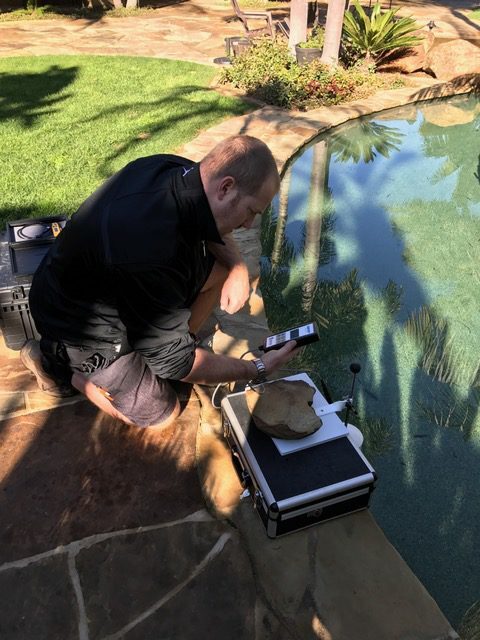
If you live in San Diego and need leak detection, Swim Care Pool Services is a company that focuses on this specific type of work. They have the tools and experience to find leaks in pools, spas, and the plumbing that connects them. A thorough inspection can tell you exactly what is happening and what your options are.
Summary of key signs to watch for
- Water level drops below the skimmer and keeps going
- Puddles or wet spots near equipment or in the yard
- Higher than normal water bill without extra filling
- Air bubbles in the pump or return jets
- Cracks or settling around the pool or deck
If you notice any of these, the cause is likely plumbing, not evaporation. A simple bucket test can confirm your suspicion. From there, a professional leak detection service can locate the problem and advise on the repair. Acting early saves water, money, and the integrity of your pool.